South Florida summer is not subtle. Sun exposure, heat, humidity, sweat, sunscreen, salt water, travel, and outdoor routines can leave skin looking dull, uneven, congested, dehydrated, or more textured than it did in spring. Post-summer skin repair is about choosing the right level of reset.
Common post-summer concerns
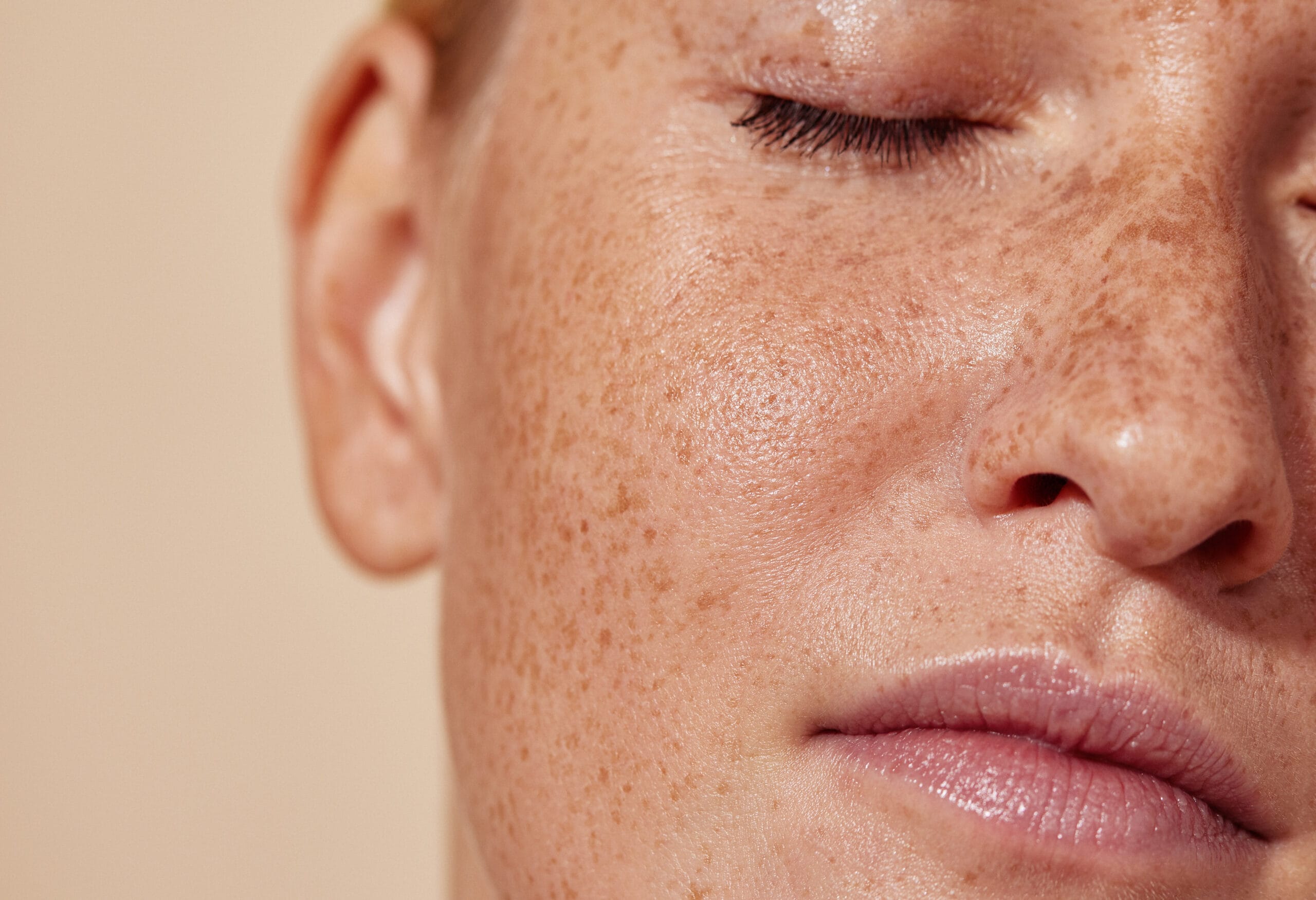
- Dark spots and uneven tone.
- Rough or dull texture.
- Clogged-looking pores from sunscreen and sweat.
- Dehydration from sun, travel, or inconsistent routines.
- Fine lines that look more visible when the skin barrier is stressed.
- General loss of glow.
Start with the skin barrier
If the skin is irritated, sunburned, over-exfoliated, or reactive, the first step may be calming and hydration rather than a strong corrective treatment. This is where a provider can prevent the classic mistake: trying to fix summer damage by attacking already stressed skin.
Treatment paths
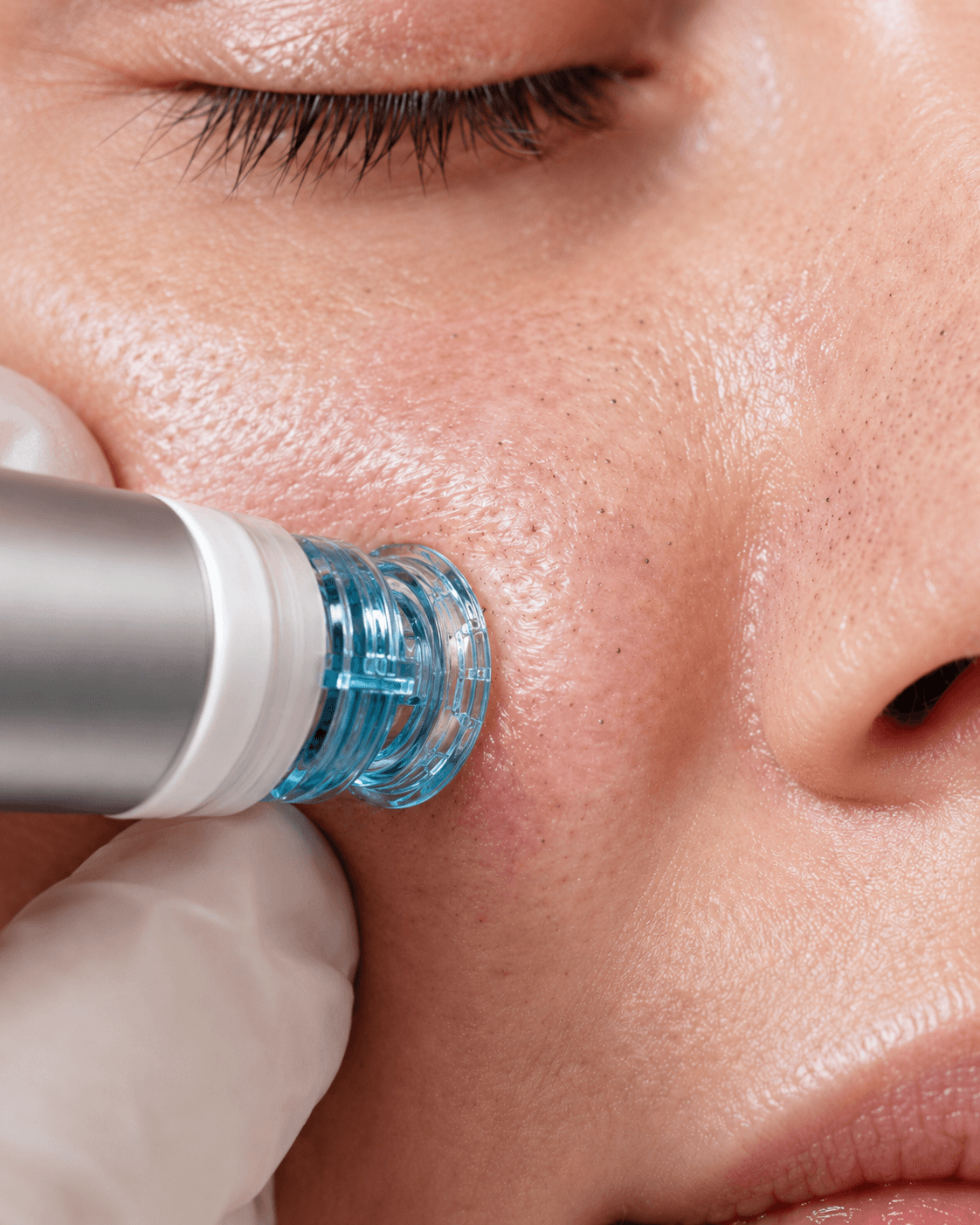
Hydrafacial is often a strong first reset for hydration, congestion, and polish. Chemical peels can help with pigment and surface renewal when timing and sun protection are right. SkinPen microneedling can support texture and collagen over a series. Sofwave may fit clients focused on laxity or tightening.
Home care and Shopify support
A useful post-summer plan usually includes consistent sunscreen, barrier support, pigment-conscious products, and fewer random purchases. Healthy Glow can connect treatment planning with professional skincare recommendations and the Shopify storefront when products make sense.
When to schedule
Fall is a practical time to reset because many clients have less intense sun exposure than midsummer. Still, Fort Lauderdale is sunny year-round, so sunscreen and timing matter no matter what month it is.
A practical 30-day reset
For the first week, focus on calming the skin barrier: gentle cleanser, moisturizer, sunscreen, and fewer experiments. If the skin is reactive, this matters more than rushing into corrective treatments.
In weeks two and three, consider a Hydrafacial or facial consultation if congestion and dehydration are the main issues. If pigment, dullness, and rough texture are more obvious, ask whether a chemical peel is appropriate and how to time it around sun exposure.
By week four, the plan can become more corrective if the skin is stable. That may mean a peel series, SkinPen for texture, Sofwave for laxity, or a product plan that supports pigment and barrier repair. The sequence should be based on skin response, not a generic calendar.
What to avoid after a sun-heavy season
- Do not stack multiple new actives at once.
- Do not exfoliate aggressively if the skin is already dry or irritated.
- Do not book a corrective peel right after heavy sun exposure without provider review.
- Do not skip SPF because the weather feels cooler.
- Do not chase every dark spot with random products before checking compatibility.
Frequently asked questions
What treatment is best after summer sun?
It depends on the concern. Hydrafacial can help with hydration and congestion, while peels, SkinPen, or Sofwave may fit pigment, texture, or tightening goals.
Can I do a peel after heavy sun exposure?
Timing matters. Your provider should evaluate recent sun exposure, sensitivity, and skin condition before recommending a peel.