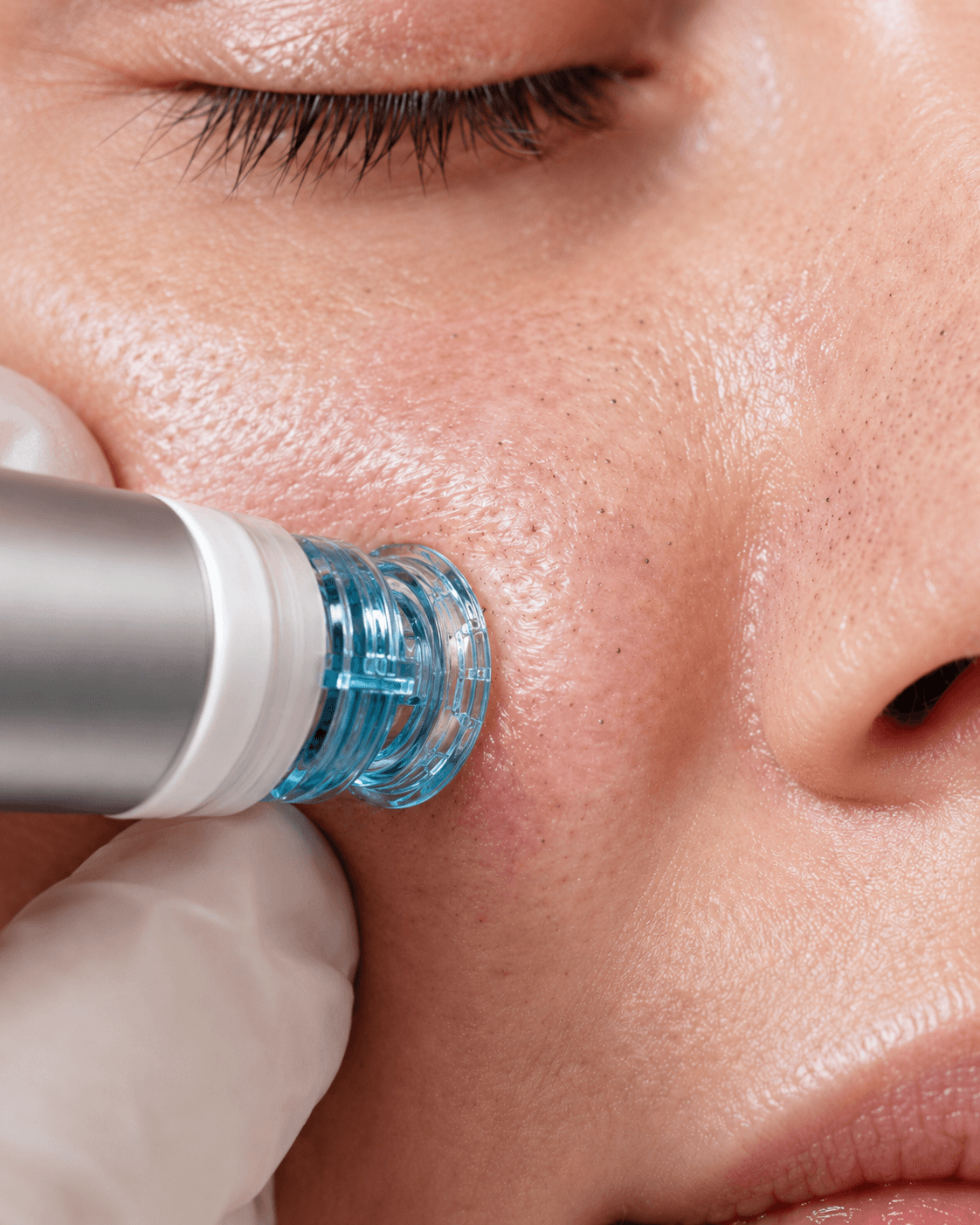
Regenerative skincare has become one of the most exciting frontiers in modern aesthetics, and in Fort Lauderdale two treatments lead the conversation: exosomes and PRP (platelet-rich plasma). Both aim to support your skin’s natural ability to renew and repair itself, but they come from different sources and work in distinct ways. If you are curious about which regenerative option might be right for you, here is a clear, educational breakdown to help you understand your choices.
What Are Exosomes?
Exosomes are tiny extracellular vesicles that act as messengers between cells, carrying signals that help coordinate communication and cellular activity. In the context of aesthetics, exosome-based products are used to support the skin’s natural rejuvenation processes. Because they are derived and prepared in a laboratory setting rather than drawn from your own body, exosome treatments do not require a blood draw.
Exosomes are frequently applied in combination with treatments that create micro-channels in the skin, such as microneedling, so the product can be delivered where it can be most useful. The goal is to support a healthy, refreshed complexion and enhance the results of the pairing treatment.
What Is PRP?
PRP, or platelet-rich plasma, is derived from your own blood. During a PRP treatment, a small sample of your blood is drawn and then processed to concentrate the platelets, which contain growth factors that play a role in the body’s natural healing. This concentrated plasma is then applied to or introduced into the skin, often alongside microneedling, to support rejuvenation.
Because PRP is sourced from your own body, it is considered an autologous treatment, meaning it uses your own biological material. This has made it a long-standing and well-known option in regenerative aesthetics.
How Do Exosomes and PRP Differ?
The most fundamental difference is the source. PRP comes from your own blood and requires a blood draw, while exosome products are prepared in a lab and do not. Both are commonly paired with microneedling to help deliver their benefits, and both are intended to support your skin’s own regenerative processes rather than to replace them.
- Source: PRP is autologous (from your own blood); exosomes are laboratory-derived.
- Preparation: PRP requires a blood draw and processing; exosomes do not require a draw.
- Common pairing: Both are often combined with microneedling for delivery.
- Goal: Both aim to support natural skin renewal and enhance treatment results.
What Are the Potential Benefits?
Exosome Benefits
- No blood draw required
- Often used to enhance the results of microneedling and similar treatments
- Aims to support a refreshed, healthy-looking complexion
- Consistent, standardized preparation from a laboratory source
PRP Benefits
- Uses your own biological material
- Well-established option in regenerative aesthetics
- Rich in your body’s own growth factors
- Commonly combined with microneedling for facial rejuvenation
Does It Hurt, and What Should You Know About Recovery?
When paired with microneedling, both treatments typically involve a topical numbing preparation to keep you comfortable during the session. PRP additionally involves a small blood draw, similar to a routine lab test. After either treatment, it is common to experience temporary redness or a sensation similar to a mild sunburn as your skin recovers, and your provider will give you tailored aftercare instructions. Because healing varies from person to person, we avoid making promises about specific downtime, and a consultation is the best way to understand what to expect for your skin.
Who Is a Good Candidate for Each?
You might prefer exosomes if you would rather avoid a blood draw or want a treatment with a consistent, standardized preparation. You might prefer PRP if you are drawn to the idea of using your own biological material and value its long-standing history in aesthetics. Certain health conditions, medications, and individual factors can affect candidacy for regenerative treatments, so a professional evaluation is essential. Our team will review your goals and medical history and recommend the option that best fits you.
Exosomes vs. PRP: Key Differences at a Glance
- Where it comes from: Exosomes are lab-derived; PRP is from your own blood.
- What is involved: PRP requires a blood draw; exosomes do not.
- How it is delivered: Both are frequently combined with microneedling.
- Shared purpose: Both are designed to support natural skin rejuvenation.
What Kind of Results Can You Expect?
Regenerative treatments work by supporting your skin’s own renewal processes, so results tend to develop gradually rather than instantly. Many people undergo a series of sessions as part of a broader skincare plan, and outcomes depend on your individual skin, your concerns, and how consistently you follow aftercare and sun protection. Your provider will discuss a realistic timeline and a plan that aligns with your goals during your consultation.
Why Choose Healthy Glow Aesthetics in Fort Lauderdale?
At Healthy Glow Aesthetics in Fort Lauderdale, we approach regenerative skincare with the same education-first, personalized philosophy we bring to every service. Whether exosomes or another rejuvenation strategy is right for you, our team takes the time to understand your skin, answer your questions, and recommend a thoughtful plan built around your goals. We combine advanced regenerative options with genuine care so you can feel informed and confident about your treatment. If you are ready to explore next-generation skin regeneration, schedule a consultation with our team and let us help you glow from within.