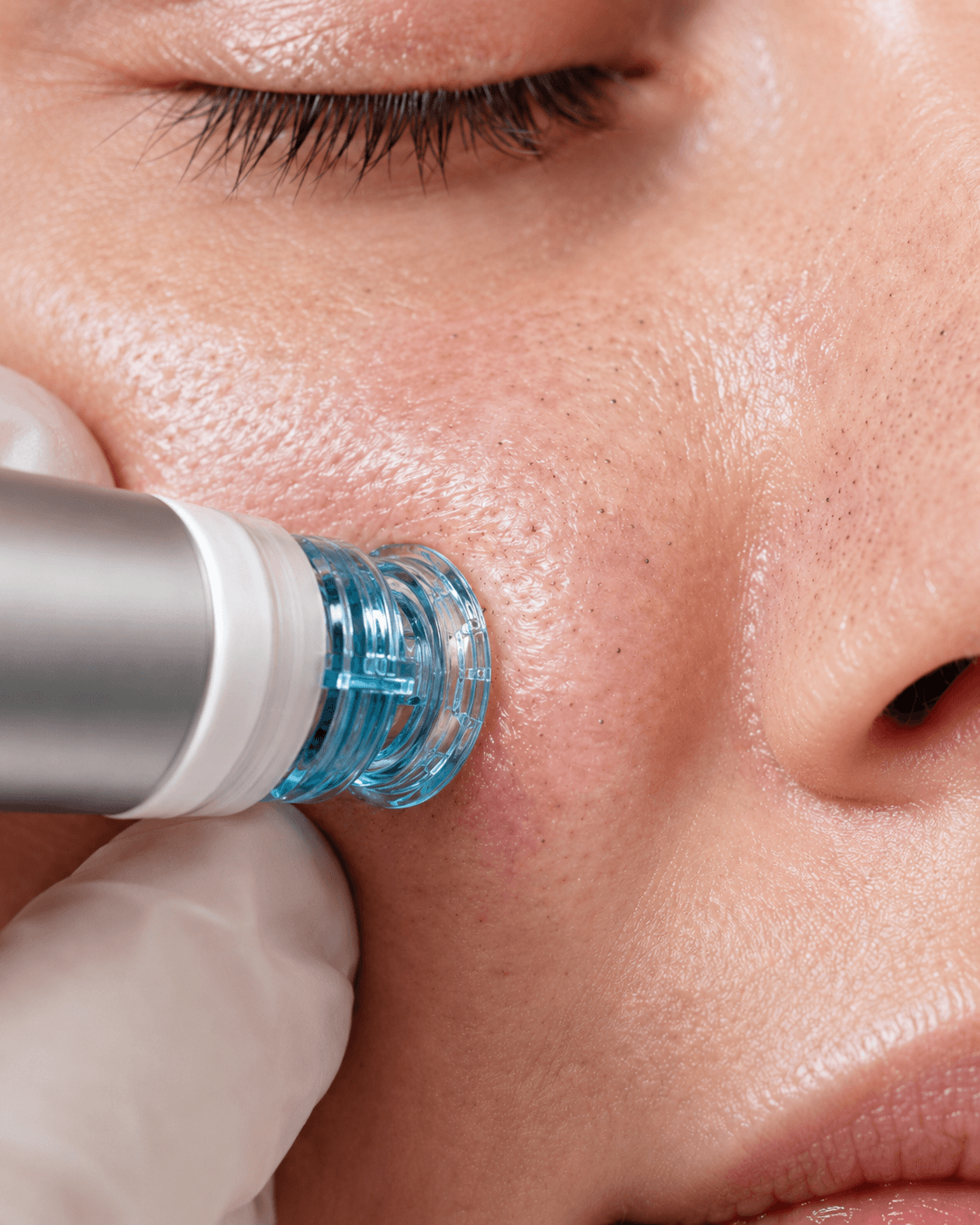
Sofwave and XERF are different energy-based devices discussed in skin-tightening consultations. The useful question is not which name sounds more advanced, but which device, treatment area and protocol are supported for your concern. This comparison separates manufacturer information from claims that would need direct comparative clinical evidence.

How the technologies differ
Sofwave’s safety information describes ultrasound-based treatment and specific indications. Cynosure Lutronic describes XERF as dual-frequency monopolar radiofrequency using 6.78 MHz and 2 MHz. Those are different ways of delivering energy. A frequency or claimed treatment depth by itself does not show that one procedure gives a better result for a particular person.
Device names also do not make the procedures interchangeable with RF microneedling, laser resurfacing or a surgical facelift. Ask the provider to explain the actual procedure being proposed and why it addresses your concern. A comparison should cover alternatives and limits as well as the selling points.
Read the indication, not just the headline
Sofwave lists several indications, with areas and age restrictions that must be checked for the proposed use. The XERF manufacturer page states that its US intended use is electrocoagulation and hemostasis; its skin-tightening description refers to effects associated with soft-tissue coagulation. Do not turn that wording into an assertion of a broader FDA-cleared lifting indication. Request current patient information for the exact device.
Ask what the device is authorized for in the country where you will be treated. Marketing descriptions, photographs and regulatory terms answer different questions. Your provider should be able to explain the relationship between the intended use, proposed protocol and expected cosmetic outcome in plain language.
What this comparison cannot prove
Manufacturer materials are useful for identifying device specifications and safety information. They do not establish an independent head-to-head winner. The XERF page links research involving porcine tissue; that kind of work can investigate tissue effects, but cannot by itself predict how your appearance or satisfaction will compare with Sofwave.
There is no basis in the sources cited here to promise that one option is more predictable, universally suitable across skin tones, or longer lasting for every patient. Ask for evidence relevant to your treatment area and concern, and ask whether it measures patient outcomes rather than laboratory tissue changes.
Discuss comfort, recovery and risk individually
Sofwave’s safety information lists contraindications, precautions and potential effects such as pain, swelling, pigment changes and skin injury. Disclose your medical history, implanted devices, recent procedures and medications so the provider can check the instructions. Ask for the equivalent XERF patient information rather than assuming a marketing statement about downtime describes your individual recovery.
Comfort, the need for preparation and the schedule for returning to activities should be part of the written plan. “No downtime” should not mean there is no chance of side effects or no follow-up contact. Plan around an important event only after the provider explains the range of possible recovery.
Bring this comparison checklist
- Which device and treatment area are you recommending, and why?
- Which indication and evidence apply to that plan?
- What change is realistic, and what would require another approach?
- What are my individual risks and reasons to postpone?
- How many visits are proposed, when will we reassess and what is the total quote?
- Who should I contact if recovery differs from the instructions?
Review Healthy Glow’s Sofwave information and current services. Contact the team to confirm device availability, the right assessment and current pricing. Availability and suitability should be established before choosing between treatment names.
Sources checked October 13, 2026. This article provides general education. A qualified provider should assess your circumstances before treatment.