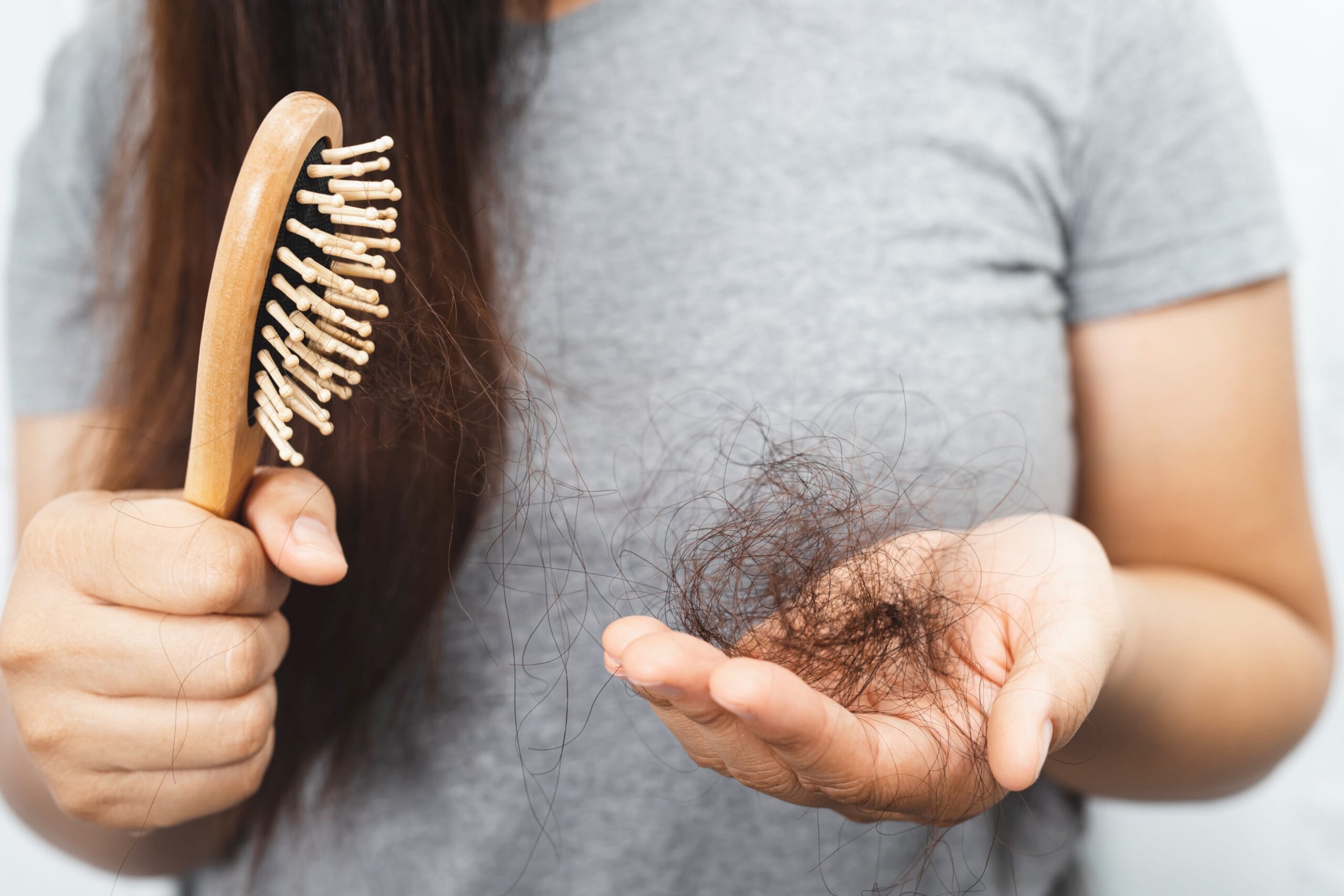
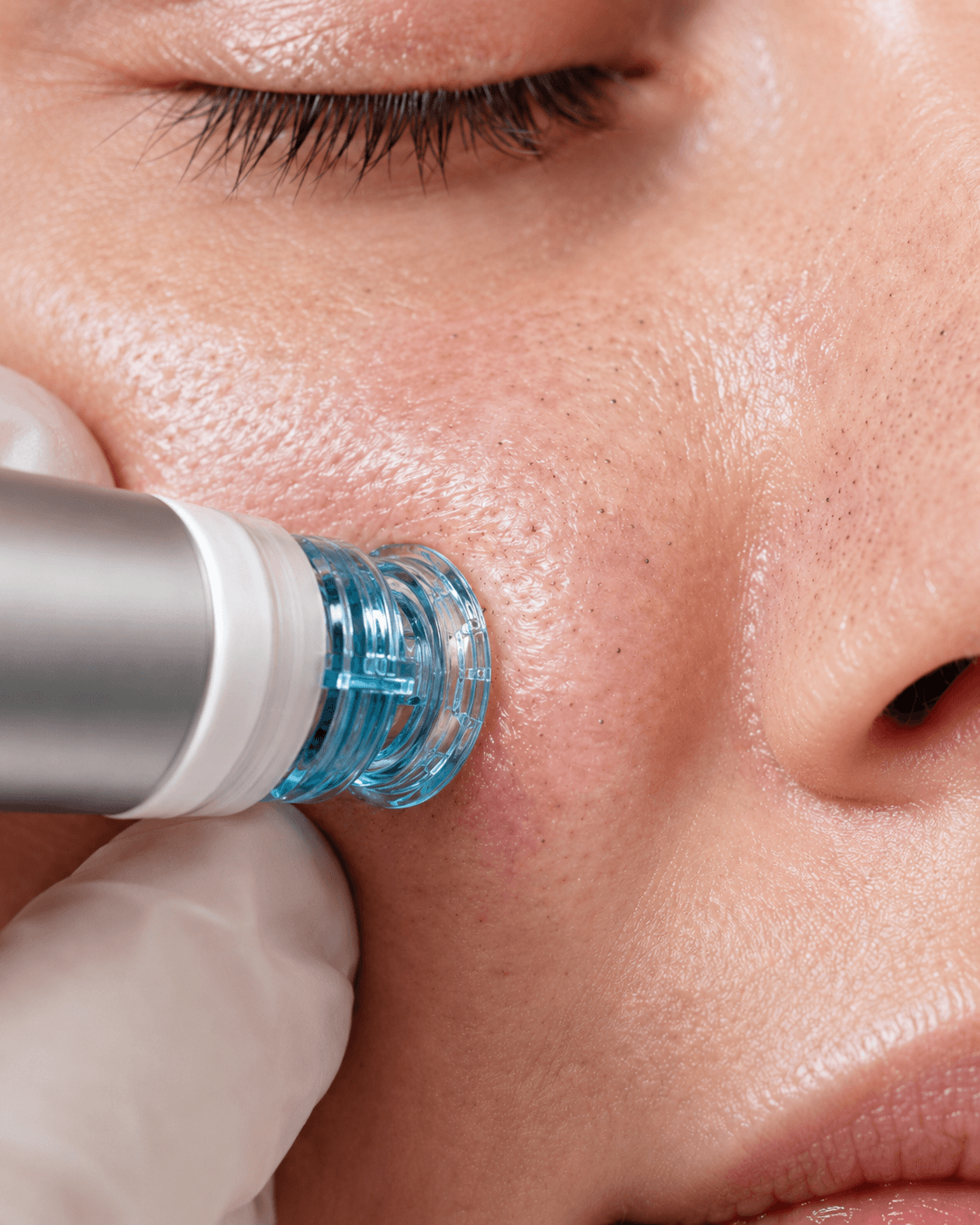
If your hair is thinning, the first decision is how to understand the cause. “Non-surgical hair restoration” is a broad search term rather than a single treatment. A scalp service, prescription medicine and a device-based procedure can have different purposes, evidence and risks. They should not be presented as interchangeable ways to guarantee regrowth.

Begin with assessment of the cause
The American Academy of Dermatology’s hair-loss guidance explains that diagnosis may involve medical history, examination and, when indicated, testing. Different causes can need different treatment, and more than one cause can be present. An aesthetic consultation is not a replacement for that diagnostic work.
Record when you first noticed the change, whether it is shedding, patchy loss or a gradually widening part, and any scalp discomfort. Bring your medication list and previous assessments. Describe recent health changes to the clinician rather than trying to decide from photographs which condition you have. Sudden, unexplained or symptomatic hair loss deserves medical assessment before purchasing a cosmetic series.
Separate established treatment from cosmetic scalp care
AAD describes options including minoxidil and prescription treatments for appropriate patients. Selection, duration and monitoring depend on the diagnosis and the person. Some options require ongoing use; the fact that a treatment is available without surgery does not mean it is suitable without assessment.
For an aesthetic scalp appointment, ask whether the stated goal is scalp comfort, hair appearance or treatment of a diagnosed disorder. Request an explanation of what is being applied, how it is delivered and what evidence supports that exact protocol. A comfortable scalp or a temporary change in how hair looks is not the same outcome as increased hair density.
Assess newer product claims carefully
Terms such as exosomes, growth factors and PDRN describe products or ingredient categories, not a verified result. The FDA’s exosome safety alert states that there are no FDA-approved exosome products. That statement should not be converted into a blanket claim that every cosmetic scalp product is an approved hair-loss therapy.
Ask for the exact product name, intended use and application route. Evidence involving a different product, injection method or diagnosis may not apply. If a device is proposed with a product, request evidence for the combination as well as each component. Your provider should identify uncertainty clearly.
Use a plan with a reassessment point
- What diagnosis or cosmetic concern is this protocol intended to address?
- Who is responsible for medical assessment and ongoing monitoring?
- What evidence supports the exact product and method?
- What risks, exclusions and alternatives should I understand?
- What will count as improvement, and when will we evaluate it?
- What is the full cost, and what happens if improvement is absent?
If progress photographs are used, agree on consistent lighting, angle, parting, styling and timing. Otherwise an apparent difference can come from the photograph rather than the hair. Ask which measure the provider uses and how they avoid interpreting normal variation as a treatment result.
Choose the next step before buying a package
You do not need to decide on a series from a blog post. First establish whether you need a diagnostic appointment, a review of an existing medical plan or information about a cosmetic scalp service. Keep medical treatment decisions with the qualified clinician overseeing them.
Healthy Glow’s service menu provides current aesthetic options. Contact our Fort Lauderdale team to ask what a scalp consultation includes and whether another assessment should come first. For a closer look at newer ingredient claims, read our guide to exosomes and PDRN questions.
Sources checked October 13, 2026. This article provides general education. A qualified provider should assess your circumstances before treatment.