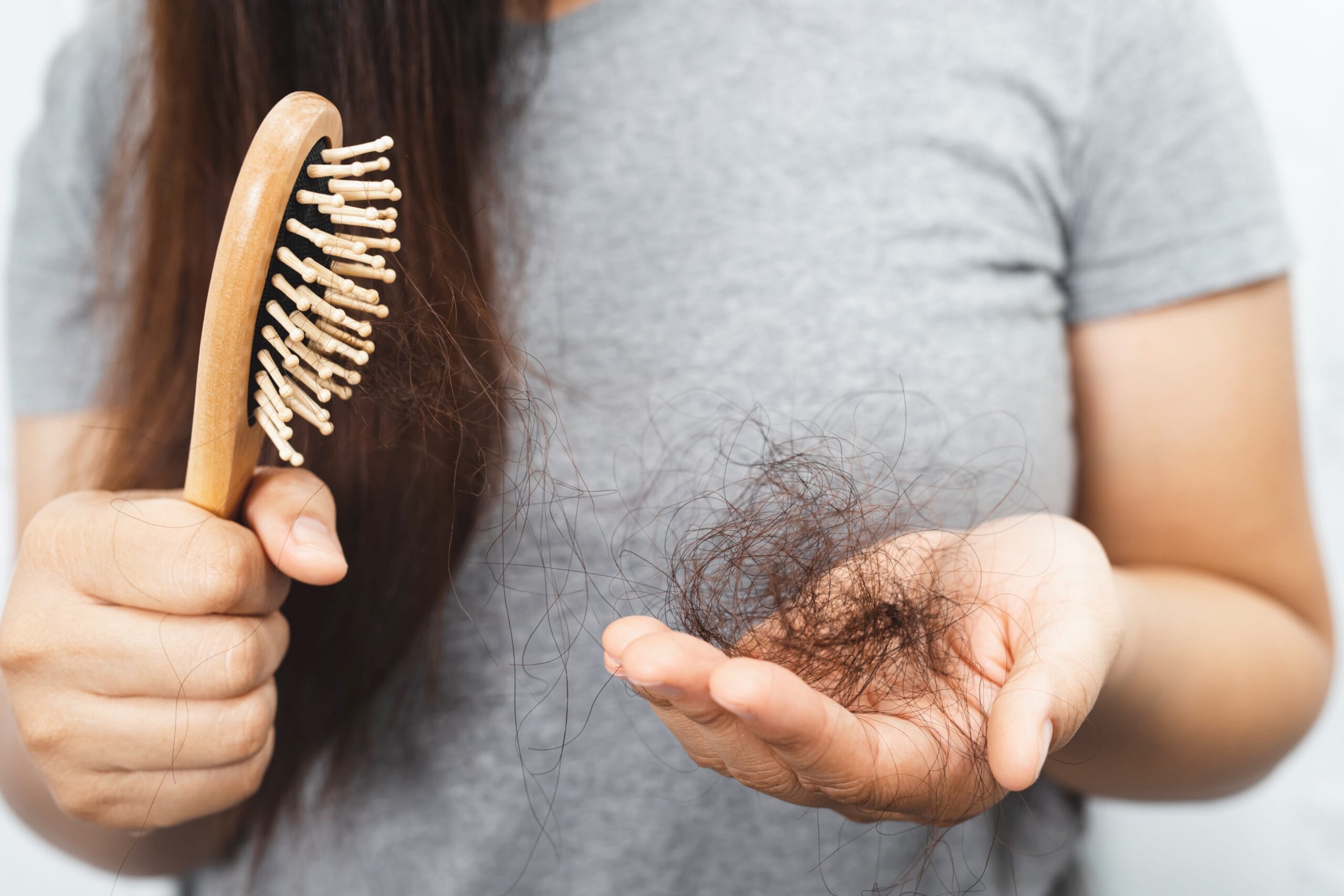
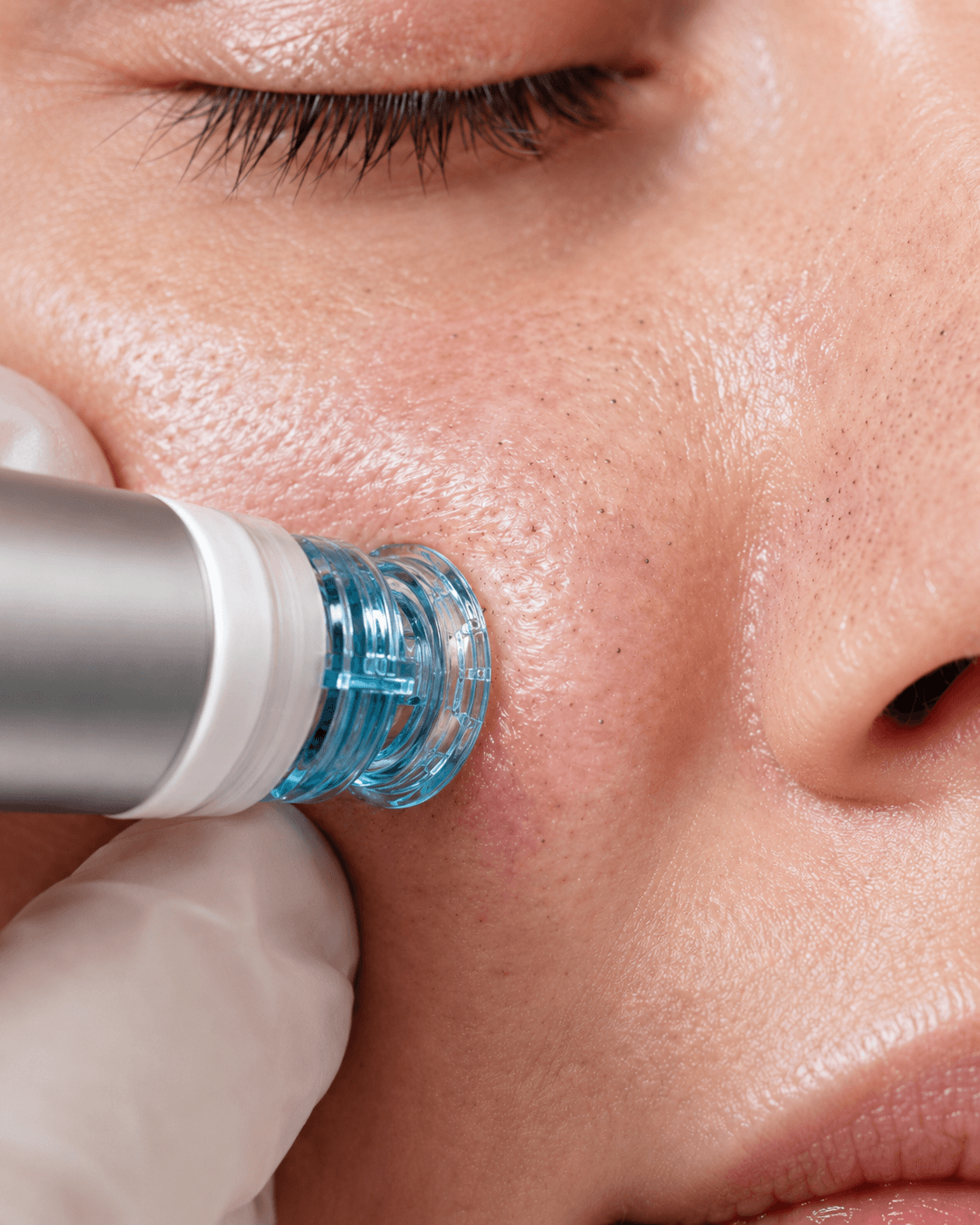
Exosomes, growth factors and “salmon DNA” appear frequently in scalp-treatment marketing. The names alone do not establish that a product treats the cause of thinning hair or produces regrowth. Before comparing ingredients, establish the purpose of the appointment and ask for the exact product and application method.
A product category is not a treatment result
A research finding about one preparation cannot automatically be transferred to another product with a similar ingredient name. The dose, manufacturing, delivery route, patient group and measured outcome can differ. Ask whether the evidence is about the actual proposed product in humans with a relevant diagnosis.
Laboratory findings can help researchers investigate a mechanism. They do not show that a cosmetic scalp service will produce a meaningful change in hair density for you. “Regenerative,” “next generation” and “supports follicles” should be followed by a specific explanation of what was measured, rather than treated as conclusions.
What the FDA says about exosomes
The FDA’s exosome safety alert states that there are no FDA-approved exosome products. Its warning concerns unapproved products marketed for treatment and reports serious adverse events. The route and intended use matter: describing a topical cosmetic is different from claiming an approved treatment for hair loss. Ask the provider to explain the status of the specific product and proposed use.
Ask what “salmon DNA” means in the proposed protocol
That phrase may be used to market PDRN or related ingredients. Ask to see the product label rather than inferring what it contains or how it is used. A topical preparation, an injectable product and a device-assisted application are distinct decisions. They should not share an evidence claim simply because the advertising uses the same phrase.
Growth-factor language raises the same issue. Request the named product, ingredient information, intended use and human evidence for the promised outcome. If those details are unavailable, you have not yet been given enough information to compare the service with other options.
Check the route and any device combination
If microneedling is included, ask about the exact device and body-area labeling. The FDA’s microneedling guidance explains that authorization does not cover delivering cosmetics or other products into skin. Do not assume the device’s clearance validates a serum combination or a scalp protocol.
- Is this product applied to intact skin or used with a procedure?
- Which product and device are used, and what instructions apply?
- Which evidence concerns this exact combination and outcome?
- What side effects and exclusions are relevant to me?
- Who will assess a problem after the visit, and how do I reach them?
Keep diagnosis and progress measurement in the plan
The American Academy of Dermatology places identifying the cause at the start of hair-loss care. If you do not know why your hair is thinning, arrange appropriate medical assessment before deciding that a new ingredient is the solution. An aesthetic provider should explain the limits of the service and when to refer you.
Ask for a planned review date, a total quote and a clear definition of success. Scalp comfort, reduced shedding and hair density are different outcomes. If photographs are used, keep lighting, styling and parting consistent. Request an explanation of what would justify continuing, changing the plan or stopping.
Read our guide to starting a hair-restoration assessment for the wider decision process. Contact Healthy Glow to confirm what a current scalp service includes. Product availability does not establish that it is the right treatment for your particular cause of hair loss.
Sources checked October 13, 2026. This article provides general education. A qualified provider should assess your circumstances before treatment.