Glycolic acid peels are a popular choice for individuals seeking effective skin renewal solutions. These peels utilize glycolic acid, an alpha-hydroxy acid (AHA), to exfoliate the skin, promoting a brighter and more youthful complexion. In this article, we will explore the numerous benefits of glycolic acid peels, including their ability to enhance skin texture, stimulate collagen production, and improve overall skin clarity. Many people struggle with dull, uneven skin tone and signs of aging, but glycolic acid peels offer a powerful solution to these common concerns. We will delve into the mechanisms behind glycolic acid’s effectiveness, what clients can expect during treatment, and how to care for the skin post-peel.
What Are Glycolic Acid Peels and How Do They Promote Skin Renewal?
Glycolic acid peels are a type of chemical exfoliation that utilizes glycolic acid to remove dead skin cells and promote skin renewal. This process works by breaking down the bonds between dead skin cells, allowing them to be easily sloughed away. The result is a smoother, more radiant complexion. Glycolic acid is known for its small molecular size, which enables it to penetrate the skin effectively, making it a powerful agent for skin rejuvenation. By promoting cell turnover, glycolic acid peels help to reveal fresher, healthier skin underneath. For more information about the process, check out chemical peels.
Healthy Glow Aesthetics, a luxury aesthetic clinic based in Fort Lauderdale, specializes in advanced skin care treatments, including glycolic acid peels. Their professional approach ensures that clients receive tailored treatments that maximize the benefits of glycolic acid for skin renewal.
How Does Glycolic Acid Exfoliate Dead Skin Cells Effectively?
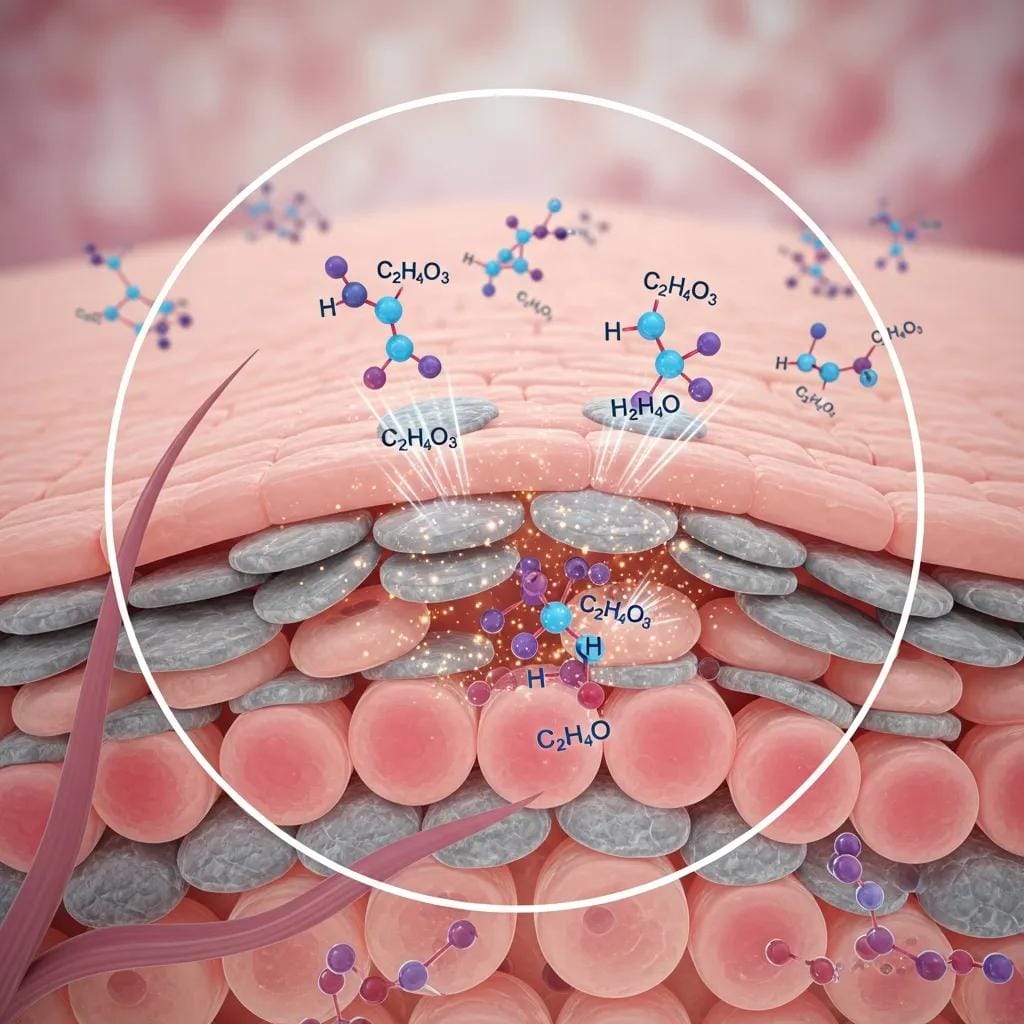
Glycolic acid exfoliates dead skin cells through a process called chemical exfoliation. Unlike physical exfoliants that rely on scrubbing, glycolic acid works at a molecular level to dissolve the bonds holding dead skin cells together. This gentle yet effective method allows for a more thorough exfoliation without the risk of irritation often associated with physical scrubs. The removal of these dead skin cells not only improves skin texture but also enhances the absorption of subsequent skin care products, leading to better overall skin health.
What Is the Role of Skin Cell Turnover in Achieving a Radiant Complexion?
Skin cell turnover is the natural process by which the skin sheds old cells and generates new ones. This process is crucial for maintaining a healthy and radiant complexion. As we age, skin cell turnover slows down, leading to a buildup of dead skin cells that can cause dullness and uneven texture. Glycolic acid peels accelerate this turnover, helping to restore a youthful glow. By promoting faster cell renewal, glycolic acid peels can significantly improve the appearance of fine lines, wrinkles, and hyperpigmentation, resulting in a more vibrant complexion.
What Are the Key Benefits of Professional Glycolic Acid Skin Treatments?
Professional glycolic acid skin treatments offer several key benefits that enhance skin health and appearance:
- Deep Exfoliation: Glycolic acid penetrates deeply to remove dead skin cells, revealing smoother skin.
- Improved Texture: Regular treatments can lead to a noticeable improvement in skin texture and tone.
- Reduction of Fine Lines: By stimulating collagen production, glycolic acid helps to diminish the appearance of fine lines and wrinkles.
These benefits make glycolic acid peels a sought-after option for those looking to rejuvenate their skin effectively.
Benefit | Description | Impact Level |
|---|---|---|
Deep Exfoliation | Removes dead skin cells for a smoother surface | High |
Improved Texture | Enhances overall skin texture and tone | High |
Reduction of Fine Lines | Stimulates collagen for anti-aging effects | Medium |
The combination of these benefits positions glycolic acid peels as a powerful tool in the realm of skin care.
How Do Glycolic Acid Peels Improve Skin Texture and Clarity?
Glycolic acid peels improve skin texture and clarity by promoting the shedding of dead skin cells and encouraging the growth of new, healthy cells. This process not only smooths the skin’s surface but also helps to reduce the appearance of dark spots and uneven pigmentation. As the skin becomes clearer and more even-toned, clients often report a significant boost in their overall confidence and satisfaction with their appearance. The clarity achieved through glycolic acid peels can be particularly beneficial for individuals dealing with acne scars or sun damage.
In What Ways Do Glycolic Acid Peels Stimulate Collagen Production for Anti-Aging Effects?
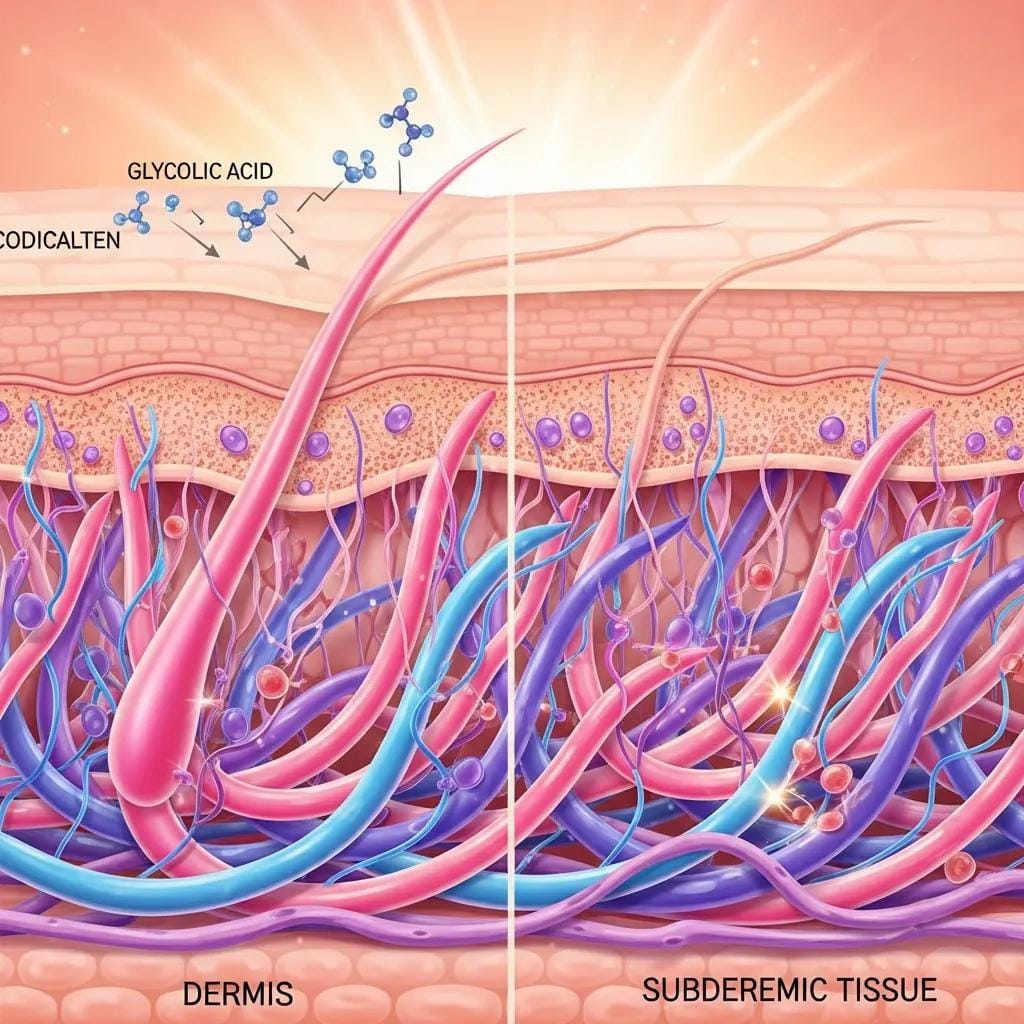
Glycolic acid peels stimulate collagen production by creating micro-injuries in the skin, which triggers the body’s natural healing response. This response leads to increased collagen synthesis, resulting in firmer, more youthful-looking skin. Collagen is essential for maintaining skin elasticity and structure, and its production naturally declines with age. By incorporating glycolic acid peels into a regular skin care regimen, individuals can effectively combat the signs of aging and promote a more youthful appearance.
Research further elaborates on how chemical peels, including those with glycolic acid, achieve skin rejuvenation and collagen renewal.
Glycolic Acid Peels for Skin Rejuvenation & Collagen Renewal
Chemical peeling is becoming increasingly popular for the treatment of skin rejuvenation where it can improve damaged skin and fine wrinkles. The basic procedure aims at obtaining a controlled chemical burn of the epidermis and/or dermis. This results in epidermal regeneration and postinflammatory collagen neoformation with remodeling of collagen and elastic fibers and deposition of glycosaminoglycans in the dermis. Various chemicals have been used as peeling agents, of which the most used are the α-hydroxy acids, such as glycolic acid, or β-hydroxy acids, such as salicylic acid. The choice of the compound is linked to the different indications and to the depth of the desired peeling.
Chemical peels: what’s new and what isn’t new but still works well, 2009
What Should Clients Expect During and After a Glycolic Acid Peel Treatment?
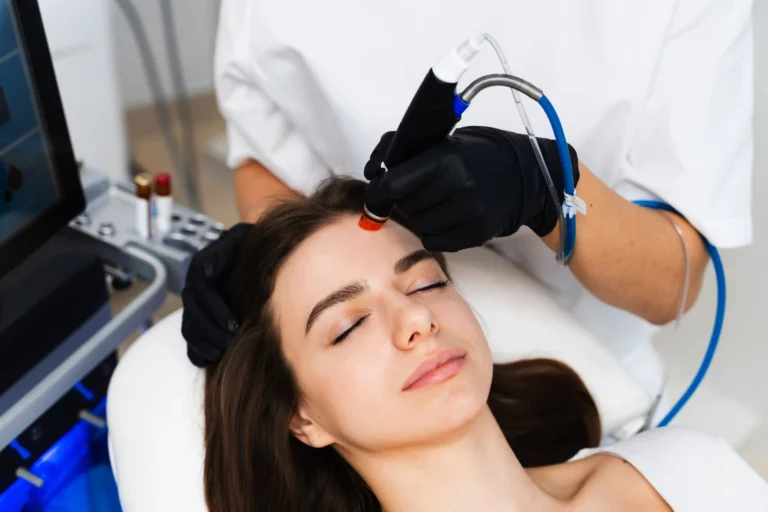
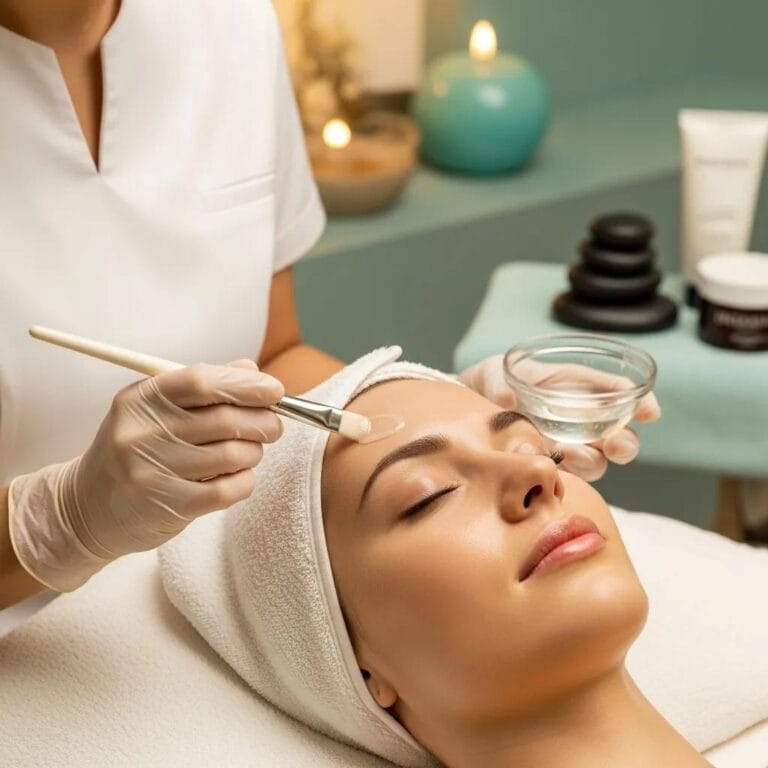
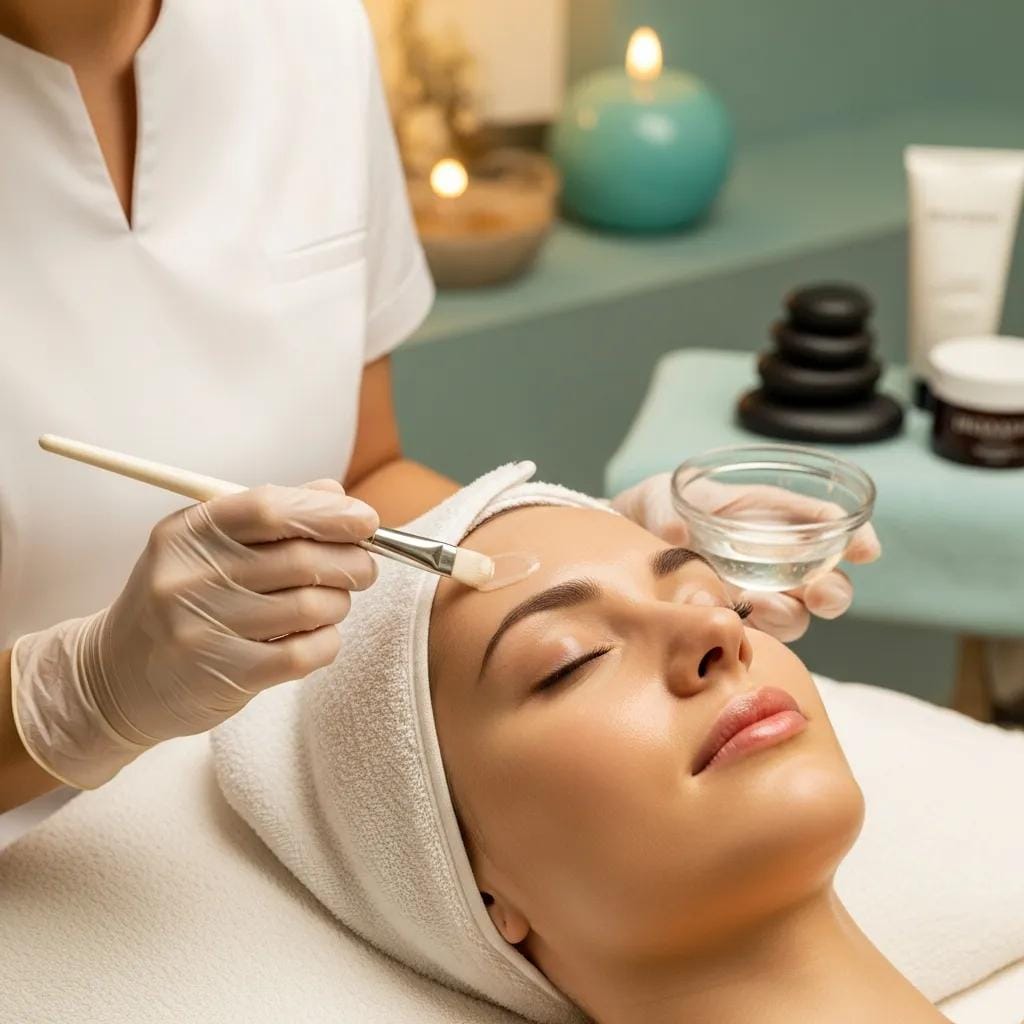
During a glycolic acid peel treatment, clients can expect a brief application of the glycolic acid solution, which may cause a mild tingling sensation. The treatment typically lasts around 30 minutes, depending on the specific protocol used. After the peel, clients may experience some redness and sensitivity, which usually subsides within a few hours. It is essential to follow post-treatment care instructions, including avoiding sun exposure and using gentle skin care products, to ensure optimal recovery and results.
What Is the Typical Treatment Process at a Professional Aesthetic Clinic?
At a professional aesthetic clinic like Healthy Glow Aesthetics, the treatment process begins with a thorough consultation to assess the client’s skin type and concerns. Based on this assessment, a customized glycolic acid peel treatment plan is developed. The treatment itself involves cleansing the skin, applying the glycolic acid solution, and monitoring the client’s comfort throughout the process. After the peel, clients receive personalized aftercare instructions to maximize the benefits of the treatment and promote healing.
How Should Post-Peel Skin Care Be Managed for Optimal Recovery?
Post-peel skin care is crucial for optimal recovery and results. Clients should adhere to the following guidelines:
- Avoid Sun Exposure: Protect the skin from UV rays by wearing sunscreen daily.
- Use Gentle Products: Opt for mild cleansers and moisturizers to avoid irritation.
- Stay Hydrated: Keep the skin hydrated to support the healing process.
Following these steps can significantly enhance the results of the glycolic acid peel and promote healthier skin.
How Do Glycolic Acid Peels Compare to Other Chemical Peels for Skin Renewal?
Glycolic acid peels are often compared to other types of chemical peels, such as salicylic acid and trichloroacetic acid (TCA) peels. While all chemical peels aim to improve skin texture and appearance, glycolic acid peels are particularly effective for those with dry or sun-damaged skin due to their exfoliating properties. In contrast, salicylic acid peels are better suited for oily or acne-prone skin, as they penetrate deeper into the pores. Understanding these differences can help clients choose the most appropriate peel for their skin type and concerns.
What Are the Differences in Exfoliation Benefits Among Various Chemical Peels?
Different chemical peels offer varying exfoliation benefits based on their active ingredients and formulations. For instance:
- Glycolic Acid Peels: Provide superficial exfoliation, ideal for improving skin texture and tone.
- Salicylic Acid Peels: Target deeper exfoliation, effective for treating acne and oily skin.
- TCA Peels: Offer medium-depth exfoliation, suitable for addressing more significant skin concerns like deep wrinkles and pigmentation.
Each type of peel has its unique advantages, making it essential for clients to consult with professionals to determine the best option for their needs.
Which Skin Types Are Best Suited for Glycolic Acid Peels Versus Alternatives?
Glycolic acid peels are best suited for individuals with normal to dry skin types who are looking to improve texture and clarity. They are particularly effective for those dealing with sun damage, fine lines, and uneven skin tone. However, individuals with sensitive or very oily skin may benefit more from alternative peels, such as salicylic acid peels, which are designed to address specific concerns related to oiliness and acne. Consulting with a skincare professional can help determine the most suitable peel for each skin type.
Frequently Asked Questions
1. How often should I get glycolic acid peels for optimal results?
The frequency of glycolic acid peels can vary based on individual skin types and concerns. Generally, it is recommended to have these peels every 4 to 6 weeks. This allows the skin enough time to heal and regenerate between treatments. However, a skincare professional can provide personalized advice based on your specific skin condition and goals, ensuring you achieve the best results without over-exfoliating.
2. Are there any side effects associated with glycolic acid peels?
While glycolic acid peels are generally safe, some individuals may experience side effects such as redness, peeling, or mild irritation immediately after treatment. These effects are usually temporary and subside within a few hours to a few days. It is essential to follow post-peel care instructions and consult with a skincare professional if you have concerns about potential side effects or if they persist longer than expected.
3. Can glycolic acid peels help with acne scars?
Yes, glycolic acid peels can be effective in reducing the appearance of acne scars. By promoting exfoliation and encouraging skin cell turnover, these peels help to smooth out the skin’s texture and fade hyperpigmentation associated with acne scars. Regular treatments can lead to significant improvements over time, making glycolic acid peels a popular choice for individuals looking to address post-acne skin concerns.
4. What should I avoid before getting a glycolic acid peel?
Before undergoing a glycolic acid peel, it is advisable to avoid certain products and treatments that can increase skin sensitivity. This includes retinoids, exfoliating scrubs, and other chemical peels. Additionally, sun exposure should be minimized, and sunscreen should be used to protect the skin. Consulting with a skincare professional can help you prepare your skin appropriately for the peel.
5. How long do the results of glycolic acid peels last?
The results of glycolic acid peels can last several weeks to months, depending on individual skin types and the frequency of treatments. Many clients notice immediate improvements in skin texture and clarity, but for long-lasting results, regular maintenance treatments are recommended. A consistent skincare routine, including sun protection and hydration, can also help prolong the benefits of the peel.
6. Can glycolic acid peels be combined with other treatments?
Yes, glycolic acid peels can often be combined with other skincare treatments, such as dermaplaning or laser therapy, to enhance overall results. However, it is crucial to consult with a skincare professional to determine the best combination for your skin type and concerns. They can create a tailored treatment plan that maximizes benefits while minimizing the risk of irritation or adverse reactions.
7. Is there any downtime after a glycolic acid peel?
Downtime after a glycolic acid peel is typically minimal. Most clients can return to their daily activities shortly after treatment. However, some may experience mild redness or sensitivity, which usually resolves within a few hours. It is essential to follow post-peel care instructions, such as avoiding sun exposure and using gentle skincare products, to ensure optimal recovery and results.