Microneedling has emerged as a revolutionary treatment for acne scars, offering a minimally invasive solution that promotes skin rejuvenation. This article delves into the mechanisms of microneedling, particularly using the SkinPen device and exosomes, and explores it’s effectiveness in treating acne scars. Many individuals struggle with the emotional and physical impacts of acne scars, which can affect self-esteem and confidence. Fortunately, microneedling provides a promising solution by stimulating collagen production and enhancing skin texture. We will cover the benefits of microneedling, the science behind collagen induction therapy, and the advantages of seeking treatment at Healthy Glow Aesthetics in Fort Lauderdale.
What is Microneedling and How Does SkinPen Improve Acne Scars?
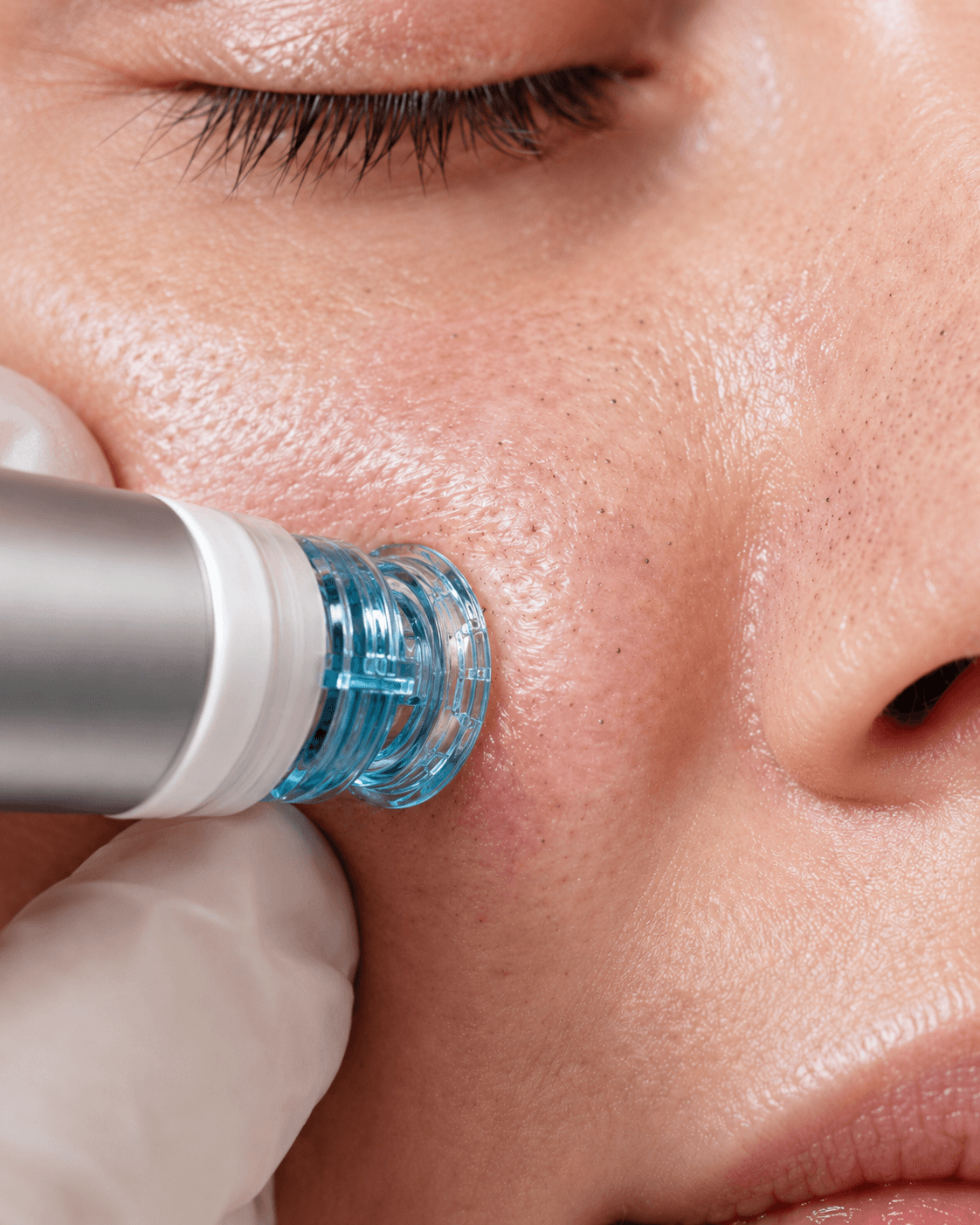
Microneedling is a cosmetic procedure that involves the use of fine needles to create micro-injuries in the skin, which stimulates the body’s natural healing process. The SkinPen device is a leading tool in this treatment, known for its precision and effectiveness. By promoting collagen and elastin production, microneedling helps to reduce the appearance of acne scars, leading to smoother and more even skin texture. This process not only improves the scars but also enhances overall skin health, making it a popular choice for those seeking effective scar revision.
Research consistently supports the effectiveness and safety of microneedling in addressing acne scars.
Microneedling Efficacy & Safety for Acne Scars
Microneedling for acne scars is widely recognized as a safe and effective treatment for improving skin texture, stimulating collagen production, and reducing the appearance of atrophic acne scars. Research on microneedling efficacy for acne scars continues to show strong potential for patients looking to improve post-acne scarring with minimal downtime.
Studies also examine the importance of needle penetration depth in Dermapen microneedling, especially when treating atrophic post-acne scars, since the right depth can impact both safety and results. Current literature, including the 2024 narrative review by G. Hancu on microneedling procedures for acne skin, supports microneedling as a valuable option for acne scar treatment, skin rejuvenation, and overall skin quality improvement.
How does collagen induction therapy work for scar revision?
Collagen induction therapy, commonly known as microneedling, works by triggering the skin’s natural healing response. When the SkinPen creates micro-injuries, it stimulates the production of collagen and elastin, essential proteins that maintain skin structure and elasticity. This therapy effectively remodels scar tissue, leading to improved skin texture and reduced visibility of acne scars. Over time, patients can expect to see significant improvements in their skin’s appearance as the collagen rebuilds and rejuvenates the affected areas.
Further studies have explored the comparative efficacy of microneedling against other scar revision methods, reinforcing its value.
Microneedling (Dermapen) for Atrophic Acne Scars Efficacy
This work aimed to compare the efficacy and safety of microneedling with dermapen and superficial chemical peeling by Jessner’s solution for the treatment of atrophic acne scars.
Microneedling (Dermapen) and Jessner’s solution peeling in treatment of atrophic acne scars: a comparative randomized clinical study, NN Elfar, 2019
What makes SkinPen a leading device for acne scar treatment?
The SkinPen is recognized for its advanced technology and safety features, making it a preferred choice among practitioners. Key attributes include:
The advanced technology of devices like the Dermapen 4 further exemplifies the precision and effectiveness available in modern microneedling treatments.
Dermapen 4 Microneedling System for Acne Scar Treatment
The automated digital microneedling system used in this study was Dermapen 4 TM (Dermapenworld, Belrose, Australia). Sixteen 3 mm, 33-gauge surgical-grade stainless steel
Safety and efficacy of microneedling technology in the treatment of acne scars, MG Alfertshofer, 2021
- FDA Clearance: The SkinPen is FDA-cleared, ensuring it meets stringent safety and efficacy standards.
- Precision: Its adjustable needle depth allows for customized treatments tailored to individual skin types and scar severity.
- Minimal Downtime: Patients experience minimal downtime, with most returning to their daily activities shortly after treatment.
These features contribute to the SkinPen’s reputation as a leading device for acne scar treatment, providing effective results with a focus on patient safety.
What Are the Benefits of SkinPen Microneedling for Acne Scar Treatment?

SkinPen microneedling offers several benefits for individuals seeking to improve the appearance of acne scars:
- Stimulates Collagen Production: The micro-injuries created by the SkinPen promote collagen synthesis, essential for skin healing and rejuvenation.
- Minimal Downtime: Patients typically experience only mild redness and swelling, allowing for a quick recovery.
- Natural Results: The treatment enhances skin texture and tone, resulting in a more natural appearance compared to other invasive procedures.
| Benefit | Description | Impact Level |
|---|---|---|
| Stimulates Collagen Production | Enhances skin healing and rejuvenation | High |
| Minimal Downtime | Quick recovery with mild side effects | Medium |
| Natural Results | Improved skin texture and tone | High |
Choosing SkinPen for microneedling ensures that patients receive a treatment that is both effective and safe, making it a top choice for acne scar revision.
How does microneedling enhance skin texture and appearance?
Microneedling enhances skin texture by promoting the natural healing process, which leads to increased collagen and elastin production. This results in smoother skin and a reduction in the appearance of scars and fine lines. Additionally, the treatment improves overall skin tone and texture, making it an excellent option for those looking to rejuvenate their skin. The micro-injuries also enhance the absorption of topical products such as exosomes, growth factors and PDRN (aka Salmon Sperm), allowing for better results from skincare regimens.
What are the advantages of choosing professional treatment at Healthy Glow Aesthetics?
Opting for professional microneedling treatment at Healthy Glow Aesthetics comes with several advantages:
- Expert Care: The clinic is staffed with experienced professionals who understand skin health and treatment protocols.
- Holistic Approach: Treatments are tailored to individual needs, ensuring optimal results.
- Customized Solutions: Patients receive personalized care plans that address their specific skin concerns.
Healthy Glow Aesthetics is dedicated to providing high-quality aesthetic treatments, ensuring that each patient receives the best possible care. Healthy Glow facials are part of the services offered.
How to Care for Your Skin After Microneedling Treatment in Fort Lauderdale?

Post-treatment care is crucial for optimal healing and results. Here are some essential aftercare tips: aftercare tips.
- Use Gentle Skincare Products: Opt for mild, hydrating products to avoid irritation.
- Avoid Sun Exposure: Protect your skin from the sun to prevent damage and pigmentation.
- Stay Hydrated: Drink plenty of water to support skin healing from within.
Following these guidelines will help ensure that your skin heals properly and that you achieve the best results from your microneedling treatment.
What post-acne skin care practices support optimal healing?
To support optimal healing after microneedling, consider these best practices:
- Nourish Your Skin from Within: A balanced diet rich in vitamins and minerals can enhance skin recovery.
- Use Medical Grade skincare: Incorporating skincare like SkinBetter Science can provide additional hydration and nourishment.
- Follow a Consistent Treatment Protocol: Stick to your skincare routine to maintain results and promote healing.
Implementing these practices will help maximize the benefits of your microneedling treatment and improve overall skin health.
Which complementary treatments enhance microneedling results?
Combining microneedling with other treatments can enhance results. Consider these complementary options:
- Microneedling with Exosomes: This combination can accelerate healing and improve skin rejuvenation.
- Specialized Serums: Using serums rich in growth factors can enhance the effects of microneedling.
- LED Light Therapy: This treatment can reduce inflammation and promote healing post-microneedling.
These complementary treatments can provide additional benefits, making your microneedling experience even more effective.
What Should You Know About Microneedling Cost and Treatment Expectations?
Understanding the cost and expectations of microneedling is essential for planning your treatment. Microneedling treatments start at $300 per session, with the number of sessions depending on individual skin needs and goals. Most patients require multiple sessions to achieve optimal results, typically spaced 4-6 weeks apart.
| Factor | Description | Cost Impact |
|---|---|---|
| Treatment Area Size | Larger areas may require more time and resources | High |
| Addition of Specialized Serums | Enhances treatment effectiveness | Medium |
| Package Deals | Discounts for multiple sessions | High |
Being informed about these factors can help you budget effectively for your microneedling journey.
What factors influence the cost of microneedling for acne scars in Fort Lauderdale?
Several factors can influence the cost of microneedling treatments in Fort Lauderdale:
- Treatment Area Size: Larger areas may incur higher costs due to increased time and resources.
- Addition of Specialized Serums: Incorporating high-quality serums can enhance results but may increase the overall price.
- Package Deals: Many clinics offer discounts for purchasing multiple sessions, which can provide significant savings.
Understanding these factors can help you make informed decisions regarding your treatment options.
What is the typical recovery time and are there side effects?
Recovery time after microneedling is generally quick, with most patients experiencing mild redness and swelling that subsides within 24-48 hours. Common side effects may include slight discomfort and temporary sensitivity. It is essential to follow post-treatment care instructions to minimize any potential side effects and promote optimal healing. Most individuals can return to their normal activities shortly after the procedure, making microneedling a convenient option for those with busy lifestyles.
Frequently Asked Questions
1. How many microneedling sessions are typically required for optimal results?
Most patients require multiple microneedling sessions to achieve the best results, usually between 3 to 6 sessions. The exact number depends on individual skin conditions and goals. Sessions are typically spaced 4 to 6 weeks apart to allow the skin to heal and regenerate collagen effectively. Consulting with a qualified practitioner can help determine the ideal treatment plan tailored to your specific needs.
2. Can microneedling be combined with other skincare treatments?
Yes, microneedling can be effectively combined with other skincare treatments to enhance results. Popular complementary options include the use of specialized serums rich in growth factors, LED light therapy for reducing inflammation, and exosome therapy to accelerate healing. These combinations can improve skin rejuvenation and overall treatment efficacy, making your microneedling experience even more beneficial.
3. What should I expect during a microneedling session?
During a microneedling session, a trained professional will use the SkinPen device to create controlled micro-injuries in your skin. Before the procedure, a topical numbing cream is usually applied to minimize discomfort. The session typically lasts about 30 to 60 minutes, depending on the treatment area. Patients may feel a slight prickling sensation, but the process is generally well-tolerated, and recovery is quick.
4. Are there any specific skin types that should avoid microneedling?
While microneedling is suitable for most skin types, certain conditions may warrant caution. Individuals with active acne, eczema, or psoriasis in the treatment area should avoid microneedling until these conditions are resolved. Additionally, those with a history of keloid scarring or certain skin infections should consult with a dermatologist before proceeding. A thorough consultation can help determine if microneedling is appropriate for you.
5. How can I maintain my results after microneedling?
To maintain the results of your microneedling treatment, it’s essential to follow a consistent skincare routine. Pigment inhibitor is very important after microneedling. Using gentle, hydrating products and applying sunscreen daily to protect your skin from UV damage. Incorporating nourishing ingredients, such as hyaluronic acid and antioxidants, can also support skin health. Regular follow-up treatments, as recommended by your practitioner, will help sustain the benefits of microneedling over time.
6. What are the potential side effects of microneedling?
While microneedling is generally safe, some potential side effects may include mild redness, swelling, and sensitivity in the treated area. These effects typically subside within 24 to 48 hours. In rare cases, patients may experience bruising or infection. Following post-treatment care instructions and consulting with your practitioner if any unusual symptoms arise can help minimize risks and ensure a smooth recovery.
7. Is microneedling suitable for all skin tones?
Microneedling is suitable for all skin tones and types, making it a versatile treatment option. Unlike some laser treatments, microneedling does not carry a risk of hyperpigmentation, which can be a concern for darker skin tones. However, it is crucial to have the procedure performed by a qualified professional who can tailor the treatment to your specific skin needs and ensure optimal safety and effectiveness.