In the realm of aesthetic treatments, skin tightening has become a focal point for individuals seeking non-invasive solutions to combat aging. This article delves into the comparison between Sofwave and Ultherapy, two leading technologies in the skin tightening landscape. Readers will gain insights into how these treatments work, their benefits, and which might be the best fit for their needs. As many individuals grapple with skin laxity and the desire for a youthful appearance, understanding these options can provide clarity and direction. We will explore the technologies behind Sofwave and Ultherapy, their mechanisms, benefits, and differences, as well as considerations for candidates and pricing.
What Are Sofwave and Ultherapy Technologies?
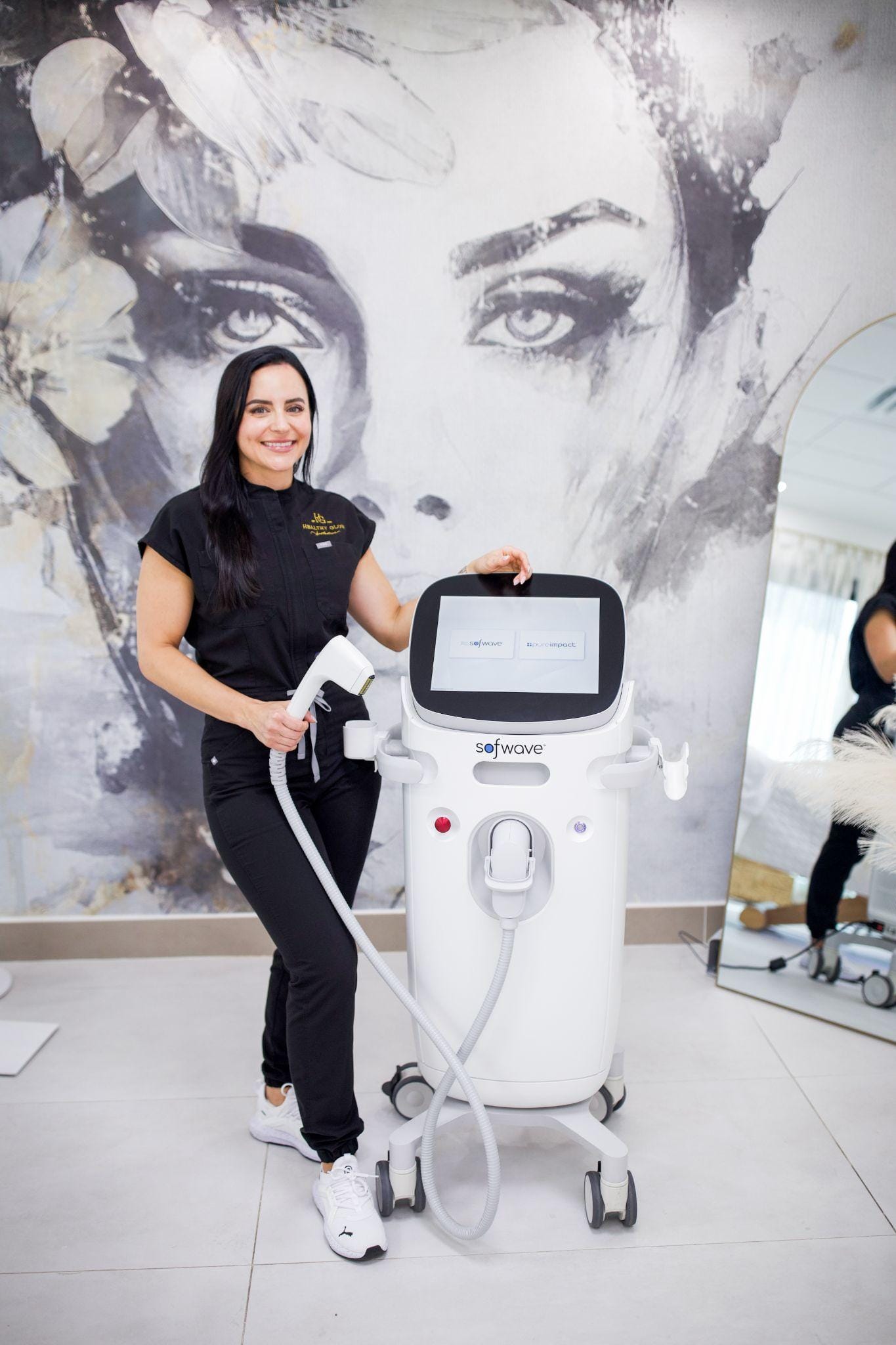
Sofwave and Ultherapy are both advanced non-invasive skin tightening treatments that utilize ultrasound technology to stimulate collagen production. Sofwave employs a unique Synchronous Ultrasound Parallel Beam Technology (SUPERB™) that targets the mid-dermal layer, promoting collagen and elastin production. In contrast, Ultherapy uses micro-focused ultrasound to penetrate deeper layers of the skin, effectively lifting and tightening by stimulating collagen at a more profound level. Both technologies aim to rejuvenate the skin, but they do so through different mechanisms and depths of treatment.
One of the key advantages of Sofwave is that it is FDA-cleared for multiple aesthetic indications, including improving the appearance of facial lines and wrinkles, lifting the eyebrows, and lifting lax submental and neck tissue in adults 22 and older. Unlike older ultrasound technologies that reach deeper layers, Sofwave focuses its energy in the mid-dermis, where collagen, elastin, and hyaluronic acid production are essential for smoother, firmer-looking skin. This makes Sofwave an especially appealing option for patients who want visible skin tightening and collagen stimulation without surgery, needles, or extended downtime.
A major difference between Sofwave and Ultherapy is treatment depth. Sofwave delivers ultrasound energy at approximately 1.5 mm within the mid-dermis, where collagen remodeling is needed for smoother, firmer-looking skin. Because Sofwave does not target the deeper fat layers, it is less likely to affect facial fat pads, an important consideration for patients who want skin tightening without unnecessary volume loss. Ultherapy, by comparison, can reach deeper tissue layers, which may be beneficial for certain lifting concerns but may not be ideal for every face, especially when preserving facial fullness is a priority.
These innovations are part of a broader trend in aesthetic medicine, where non-surgical methods are continuously evolving to meet patient needs.
Advances in Non-Surgical Skin Tightening Technologies
The skin laxity component of facial aging has been traditionally addressed with surgical intervention. However, demand for alternative treatment options with less associated risk, scarring, downtime, and cost have driven advances in non-surgical tightening techniques. This article explores the recent advances in these non-surgical technologies for skin tightening including microcoring and energy-based devices (lasers, ultrasound, radiofrequency, and plasma).
New technologies in skin tightening, 2021
How Does Sofwave Ultrasound Technology Work for Skin Tightening?
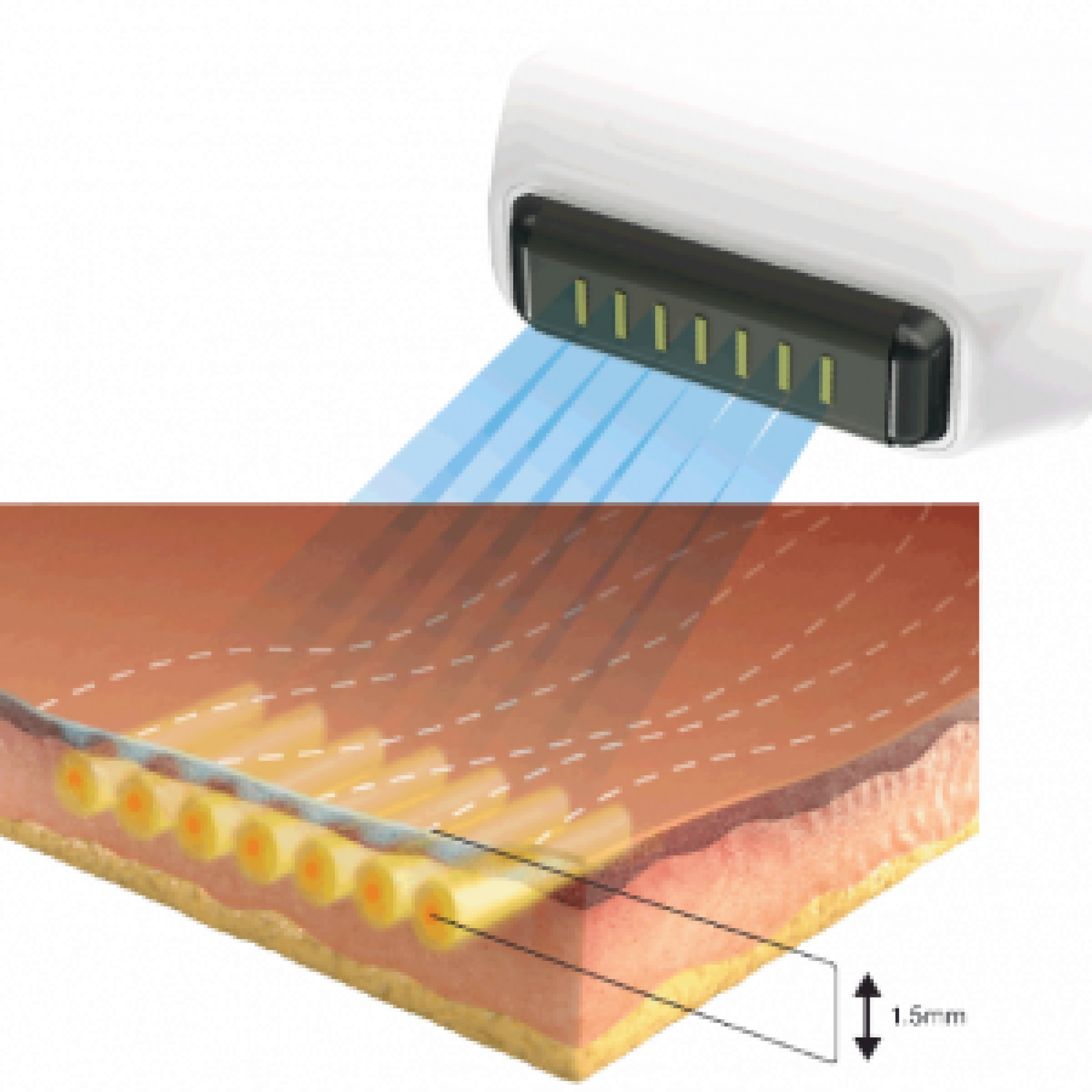
Sofwave technology works by delivering ultrasound energy to the mid-dermal layer of the skin, which triggers a natural healing response. This process stimulates collagen production, leading to improved skin elasticity and firmness. The treatment also promotes the production of elastin and hyaluronic acid, which are essential for maintaining skin hydration and structure. As a result, patients often experience a noticeable lift and tightening effect after the treatment, with minimal discomfort and downtime.
What Is Ultherapy and Its Mechanism for Collagen Stimulation?
Ultherapy is a non-invasive procedure that utilizes micro-focused ultrasound to stimulate collagen production in the deeper layers of the skin. By delivering focused ultrasound energy, Ultherapy targets the foundational layers of the skin, promoting collagen regeneration and tightening. This method not only lifts the skin but also improves its overall texture and firmness. The treatment is particularly effective for areas such as the brow, neck, and décolletage, providing a natural-looking lift without the need for surgery.
What Are the Benefits and Differences Between Sofwave and Ultherapy?
Both Sofwave and Ultherapy offer unique benefits, making them suitable for different patient needs. Here’s a comparison of their key advantages:
Treatment | Benefit | Duration |
|---|---|---|
Sofwave | Targets mid-dermal layer for a natural lift | 30-90 minutes |
Ultherapy | Reaches deeper layers for significant tightening | 60-90 minutes |
Sofwave is known for its shorter treatment sessions and minimal downtime, making it an attractive option for those with busy schedules. On the other hand, Ultherapy may provide more dramatic results for individuals seeking deeper skin tightening, albeit with longer session times.
Healthy Glow Aesthetics, a luxury aesthetic clinic based in Fort Lauderdale, specializes in Sofwave treatment, ensuring clients receive tailored solutions based on their specific skin concerns and goals.
Which Treatment Offers Faster Sessions and Minimal Downtime?
When considering treatment options, session duration and recovery time are crucial factors. Sofwave typically offers faster sessions, averaging between 30 to 60 minutes, with minimal downtime. Patients can often return to their daily activities immediately after treatment. In contrast, Ultherapy sessions can last from 60 to 90 minutes, and while downtime is also minimal, some patients may experience slight swelling or redness post-treatment.
For many patients, this is where Sofwave stands out: it delivers FDA-cleared ultrasound skin tightening in a shorter, more comfortable appointment while still targeting the collagen-supporting layers responsible for firmer-looking skin.
How Do Safety Profiles and Side Effects Compare?
Both Sofwave and Ultherapy are considered safe for most patients, with minimal side effects. Common side effects for Sofwave may include slight redness or swelling at the treatment site, which usually resolves quickly. Ultherapy may also cause temporary redness, swelling, or tenderness, but these effects typically subside within a few hours to a few days. It is essential for patients to consult with a qualified practitioner to discuss their medical history and any potential risks associated with each treatment.
Who Is the Ideal Candidate for Sofwave or Ultherapy Treatments?
Ideal candidates for Sofwave and Ultherapy treatments are typically individuals experiencing mild to moderate skin laxity. Sofwave is particularly suitable for those looking for a quick treatment with minimal downtime, while Ultherapy may be better for individuals seeking more significant lifting effects. Age, skin type, and specific skin concerns should be considered when determining the best treatment option.
What Patient Factors Influence Treatment Suitability?
Several factors can influence a patient’s suitability for Sofwave or Ultherapy treatments. These include:
- Skin Type: Different skin types may respond differently to treatments, affecting outcomes.
- Age: Younger patients may benefit from Sofwave for maintenance, while older patients may require Ultherapy for more pronounced lifting.
- Skin Concerns: Specific issues such as sagging skin or wrinkles can dictate the most appropriate treatment.
Consultation with a qualified aesthetic professional is crucial to assess these factors and recommend the best approach.
How Does Skin Type and Age Affect Treatment Choice?
Skin type and age play significant roles in determining the most effective skin tightening treatment. Sofwave may be more suitable for younger patients with early signs of aging, while Ultherapy can be beneficial for older individuals with more advanced skin laxity. Additionally, skin type can influence how well a patient responds to each treatment, making personalized assessments essential for optimal results.
How Do Pricing, Booking, and Client Experiences Compare for Sofwave and Ultherapy?
Pricing for Sofwave and Ultherapy can vary based on the clinic and the specific treatment plan. Generally, Sofwave treatments may be slightly less expensive due to shorter session times. Clients often report positive experiences with both treatments, appreciating the professional care and results achieved. Booking processes at clinics like Healthy Glow Aesthetics are designed to be straightforward, ensuring clients can easily schedule their consultations and treatments.
What Are Typical Costs and Session Durations?
Typical costs for Sofwave and Ultherapy treatments can vary widely based on geographic location and clinic reputation. On average, Sofwave treatments may range from $1,000 to $2,500, while Ultherapy can cost between $1,500 and $4,000. Session durations also differ, with Sofwave sessions lasting approximately 30-60 minutes and Ultherapy sessions taking about 60-90 minutes.
What Do Client Testimonials Reveal About Treatment Satisfaction?
Client testimonials for both Sofwave and Ultherapy often highlight satisfaction with the results and the overall experience. Many patients report noticeable improvements in skin tightness and texture, contributing to enhanced self-confidence. Feedback typically emphasizes the professionalism of the staff and the effectiveness of the treatments, making both options popular choices for non-invasive skin tightening.